Today we have added the 500th garden to the Gardening4Health Directory, which is quite a landmark!
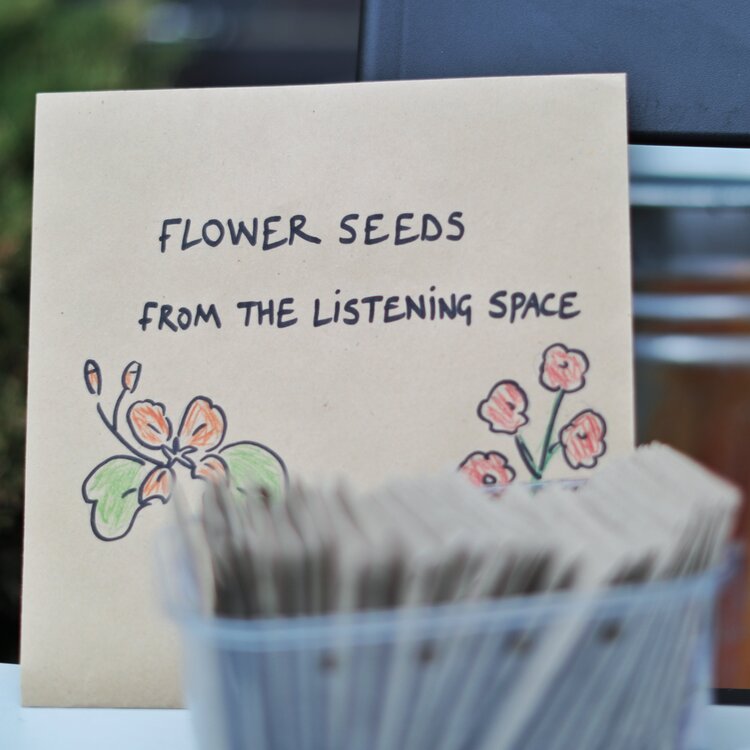
The latest project is https://www.thelisteningspace.uk/ – a project based around a community garden located in a GP surgery in Kentish Town, North London.
There’s lots going on here – over and above the garden – all for the wellbeing of the Surgery’s staff and their patients. It’s well worth having a look if you have a moment.
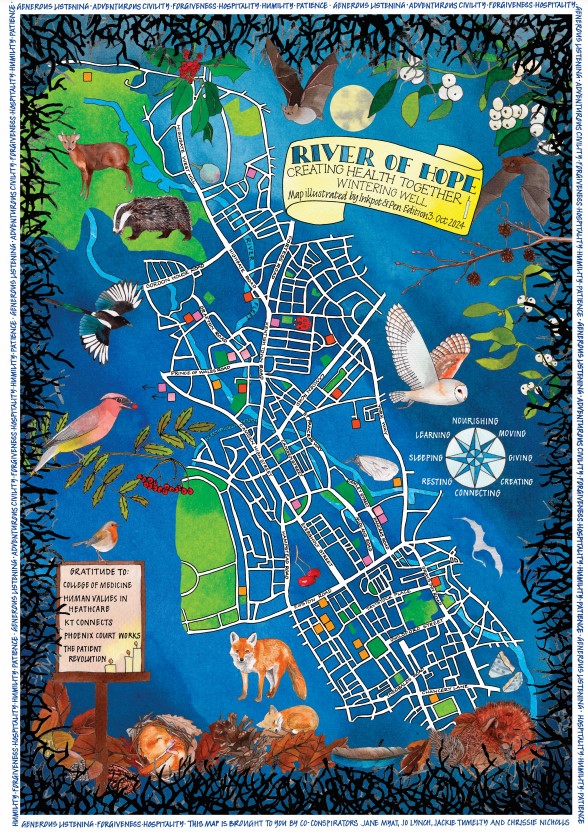
Also worth highlighting is their participation in the River of Hope : a scheme that links residents with local services and projects in Kentish Town and Camden. Empowering people to engage, connect, and live healthier, happier lives through community support and participation.
It was a wonderful day of learning, sharing, and connecting yesterday at the Serge Hill Project.
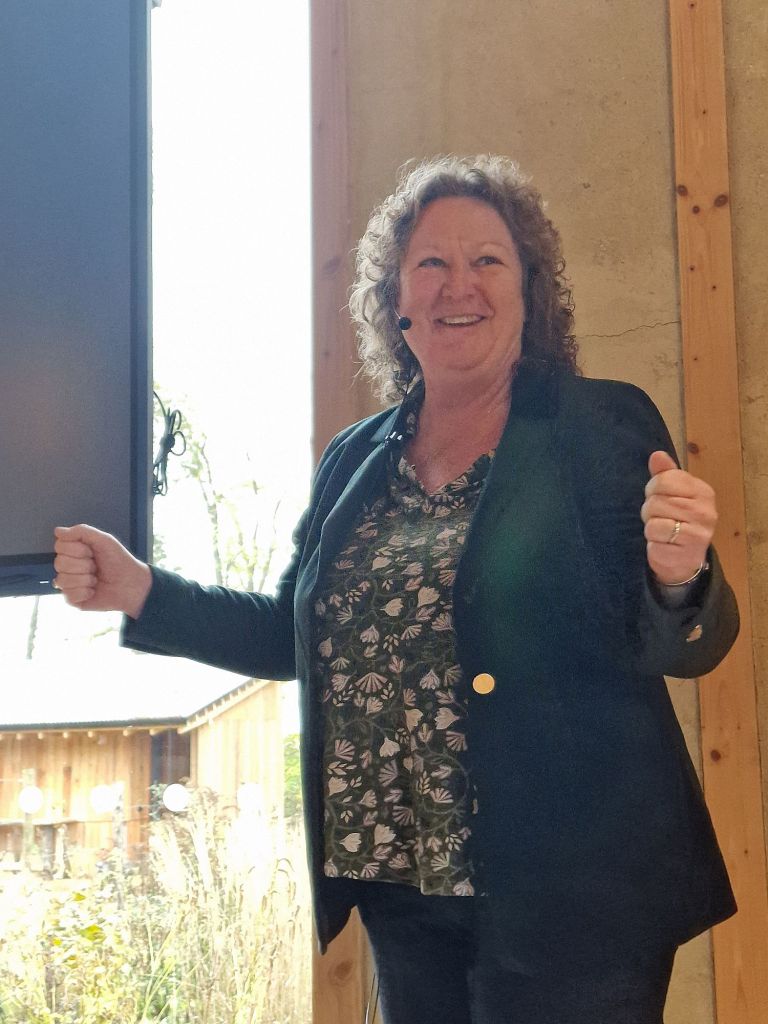
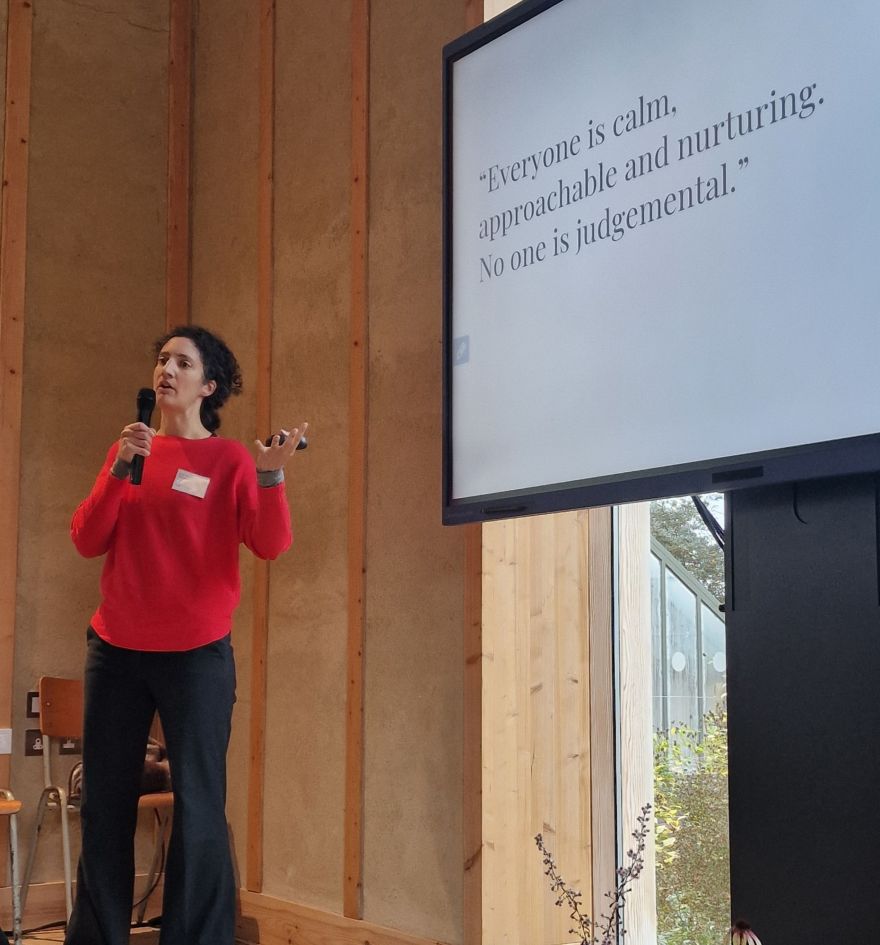
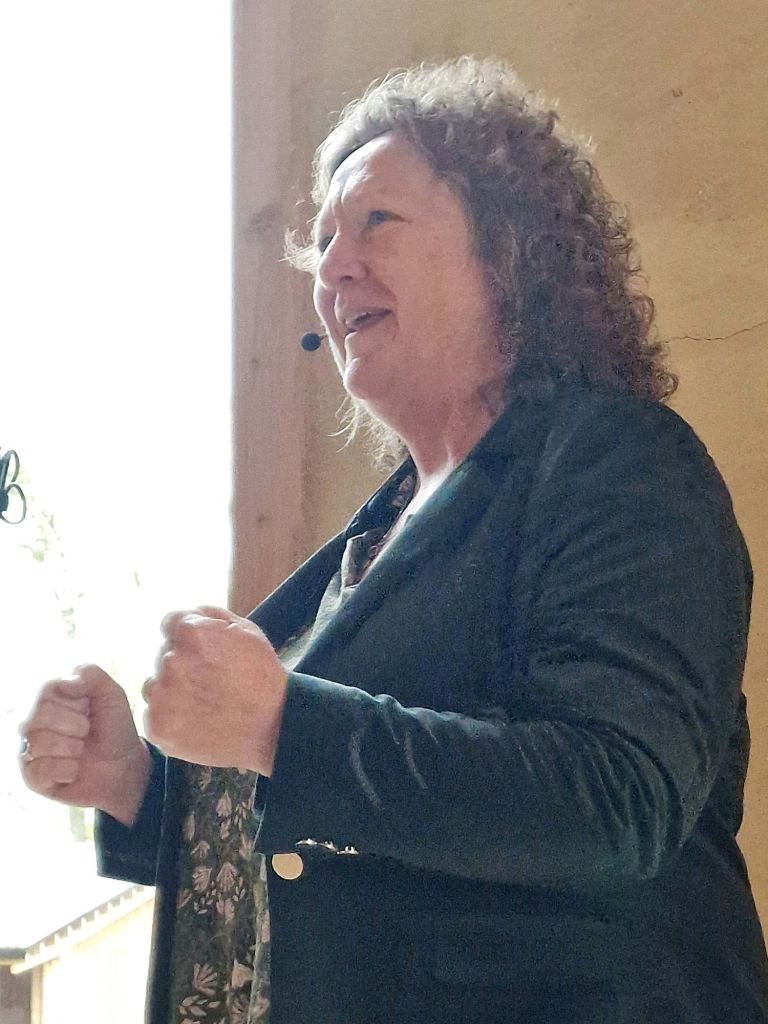
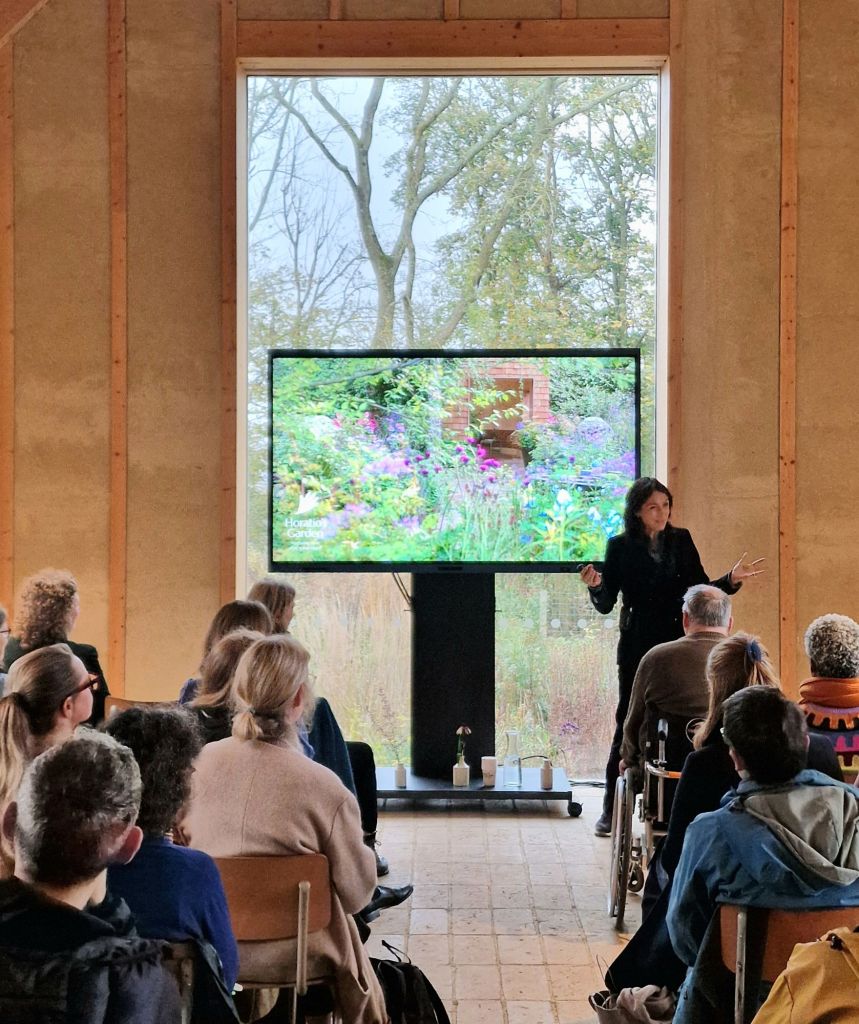
Sue Stuart-Smith gave the keynote speech: it was at the same time beautiful, educational, and inspiring – and the tone was set.
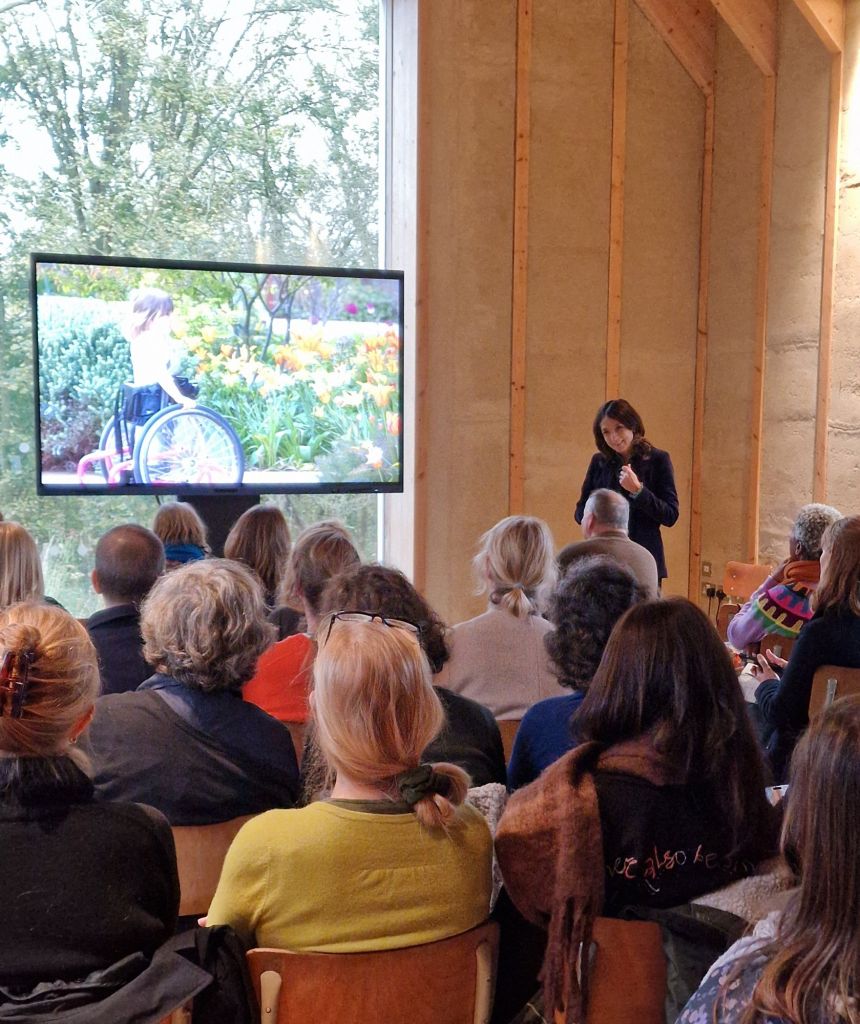
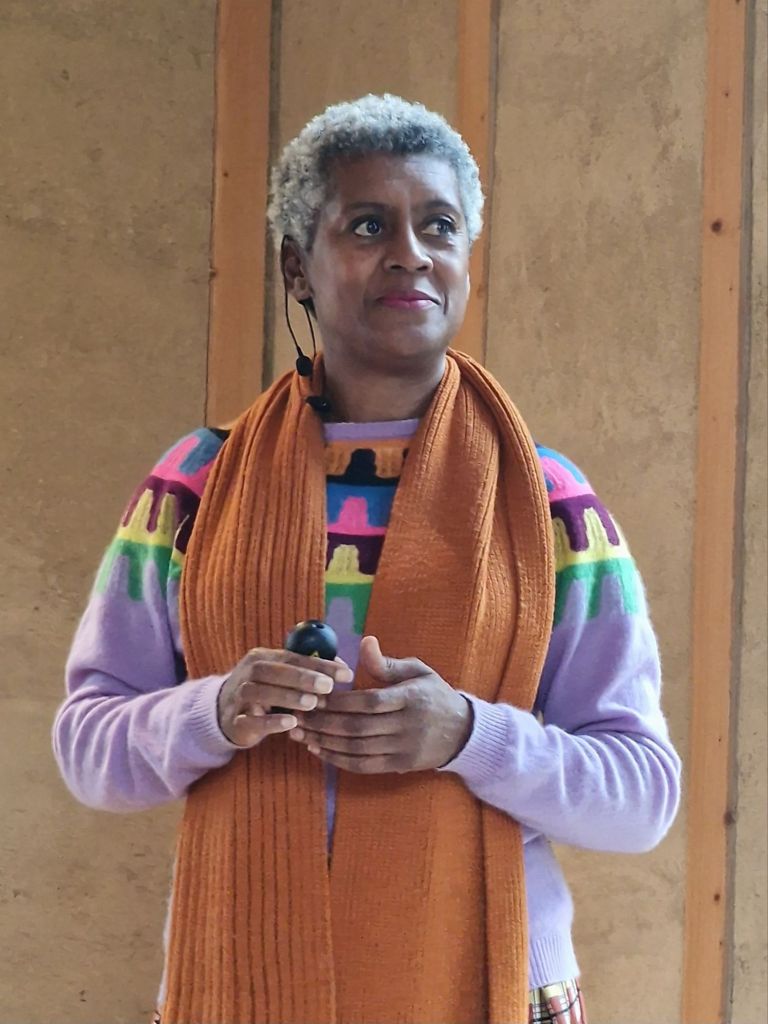
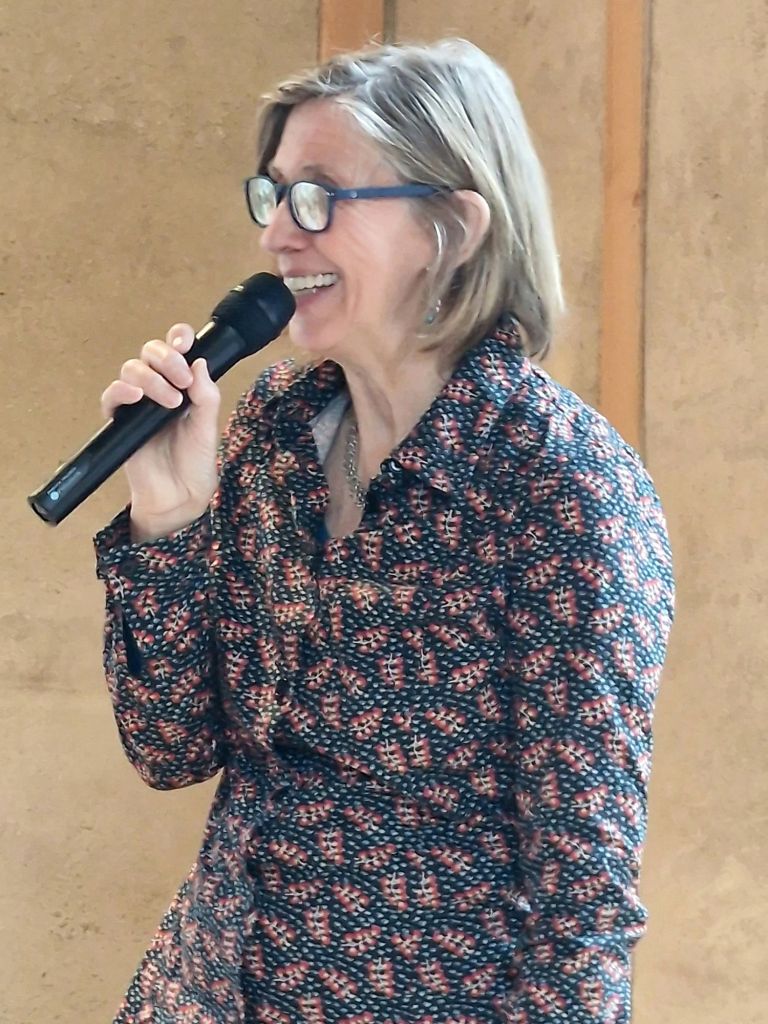
Arit Anderson and Keely Siddiqui-Charlick followed, moving us seamlessly from laughter to tears, as they showed us how projects like Sunnyside can impact people, gardens, communities, and the planet, and how anything’s possible if you have enough cake!
Richard Claxton gave a brief update on Gardening4Health and our plans now we’re officially a charity.
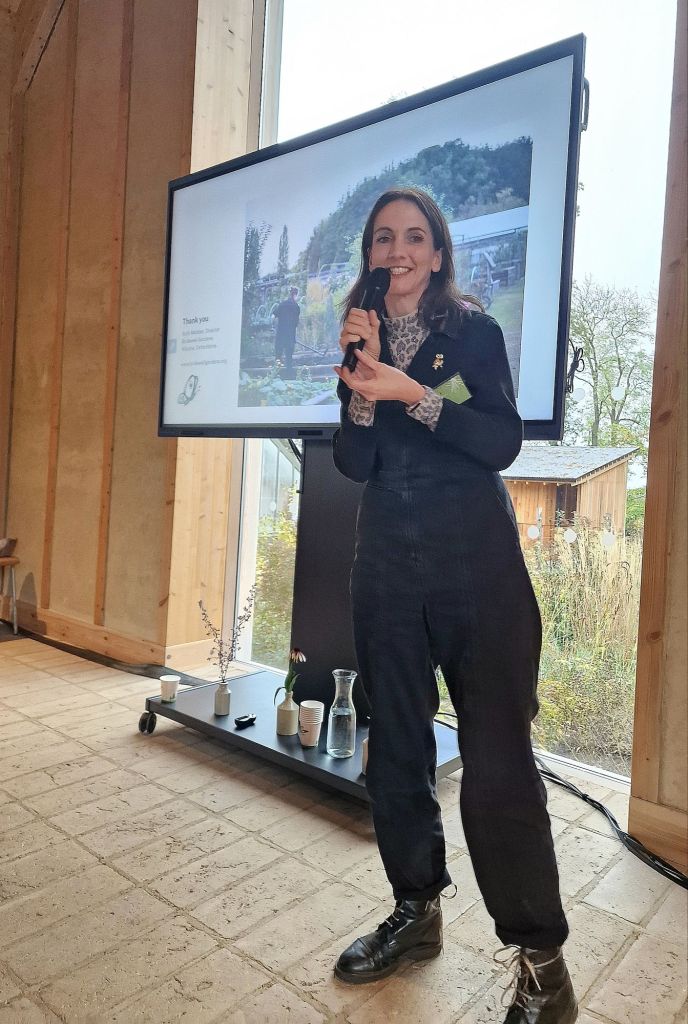
Next up was Ruth Madder from brilliant Bridewell gardens – an in-depth look at working as a Social and Therapeutic Horticulture practitioner.
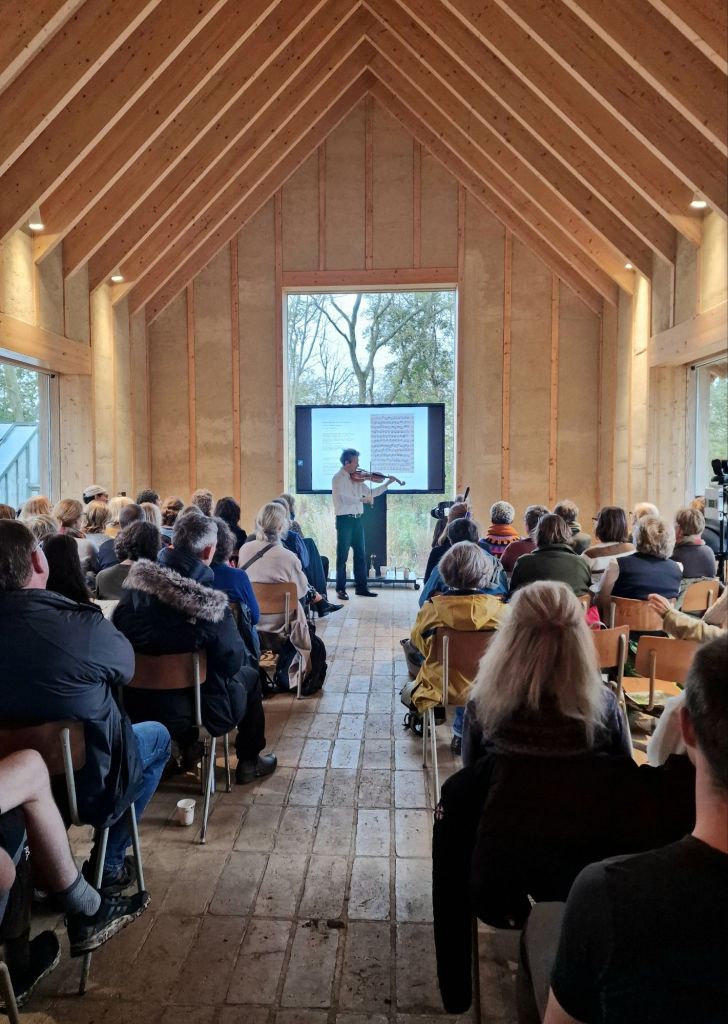
After a yummy lunch with time both for chat and wandering in the stunning Barn Garden and Plant Library, Kurosh Davis brought us back to calm and focus with a stunning solo performance of Bach on the viola.
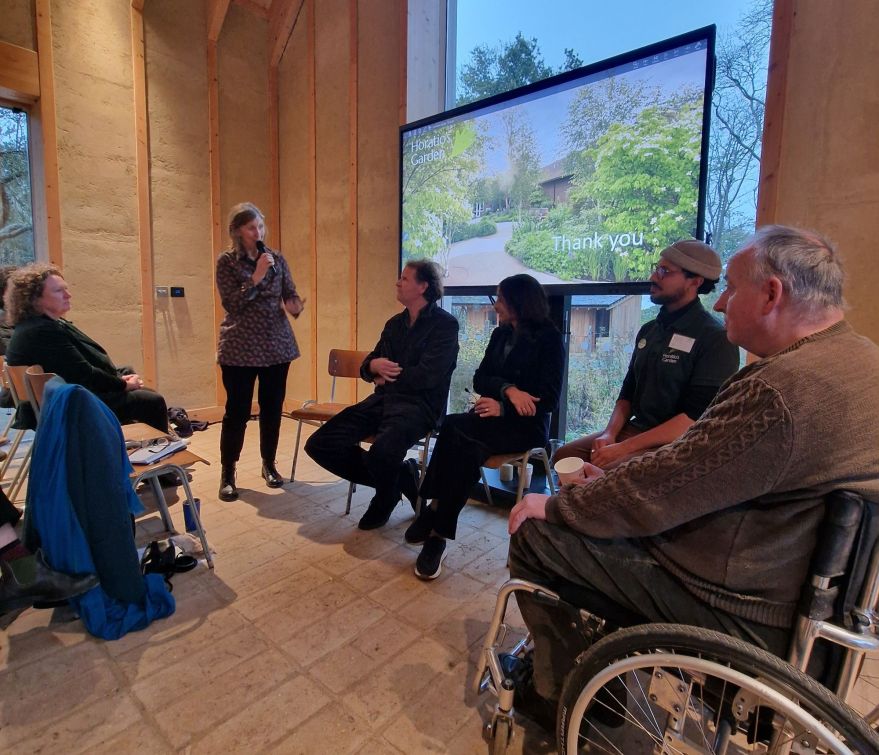
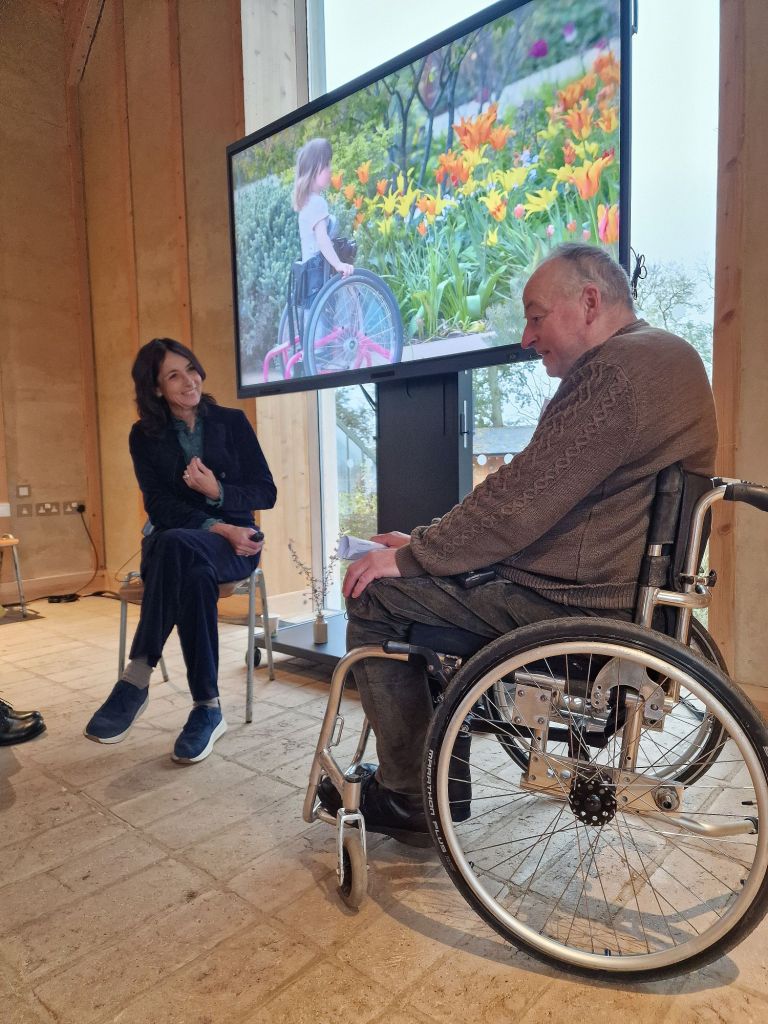
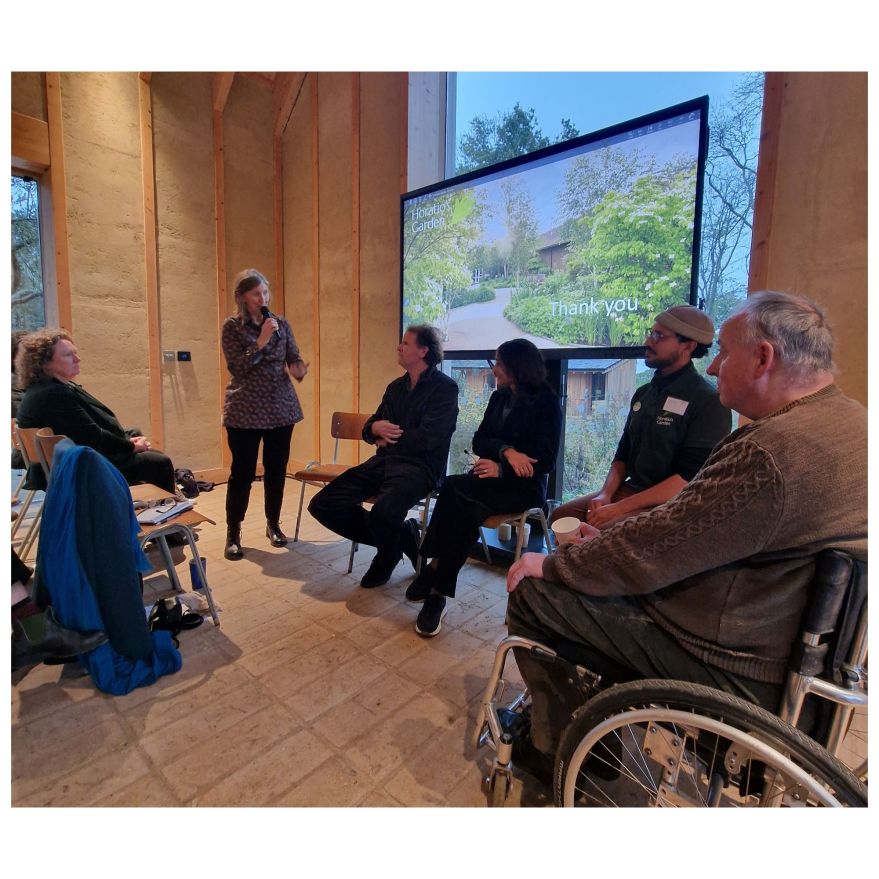
Then came an afternoon of immersion into Horatio’s Garden – Olivia Chapple – founder and Chair of Trustees spoke about their incredible journey, before interviewing Joe Darrell. Joe’s been a patient in both the Glasgow and Stanmore spinal units. With modesty, humour, and honesty, his story will leave a profound impression on all who heard him.
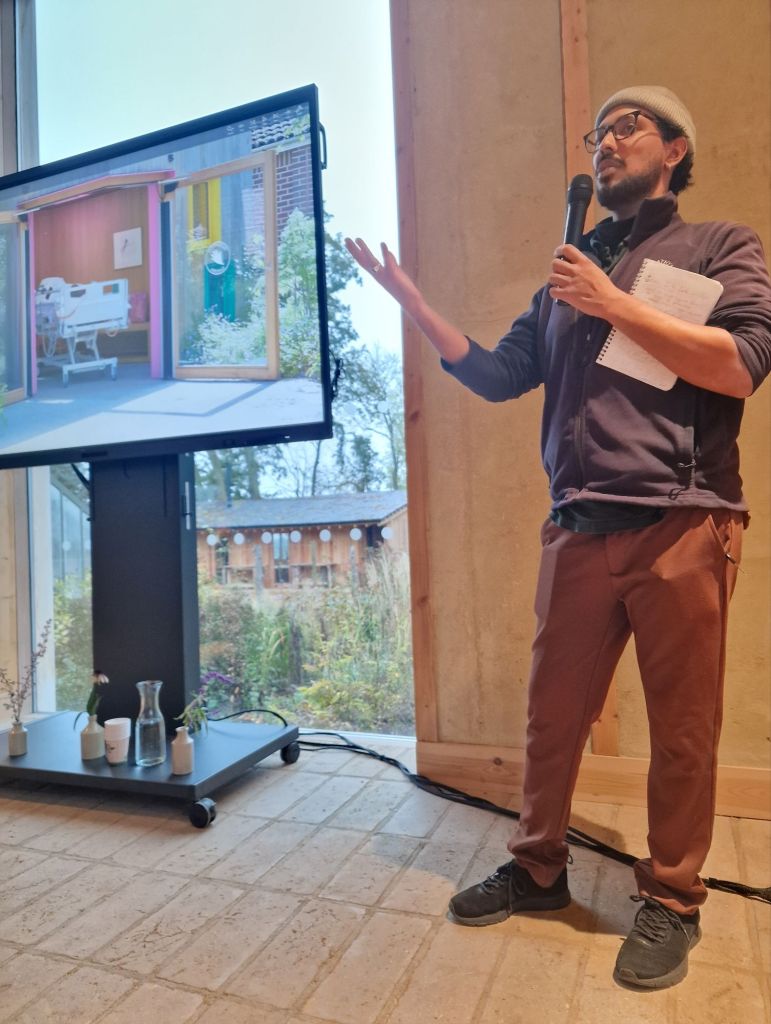
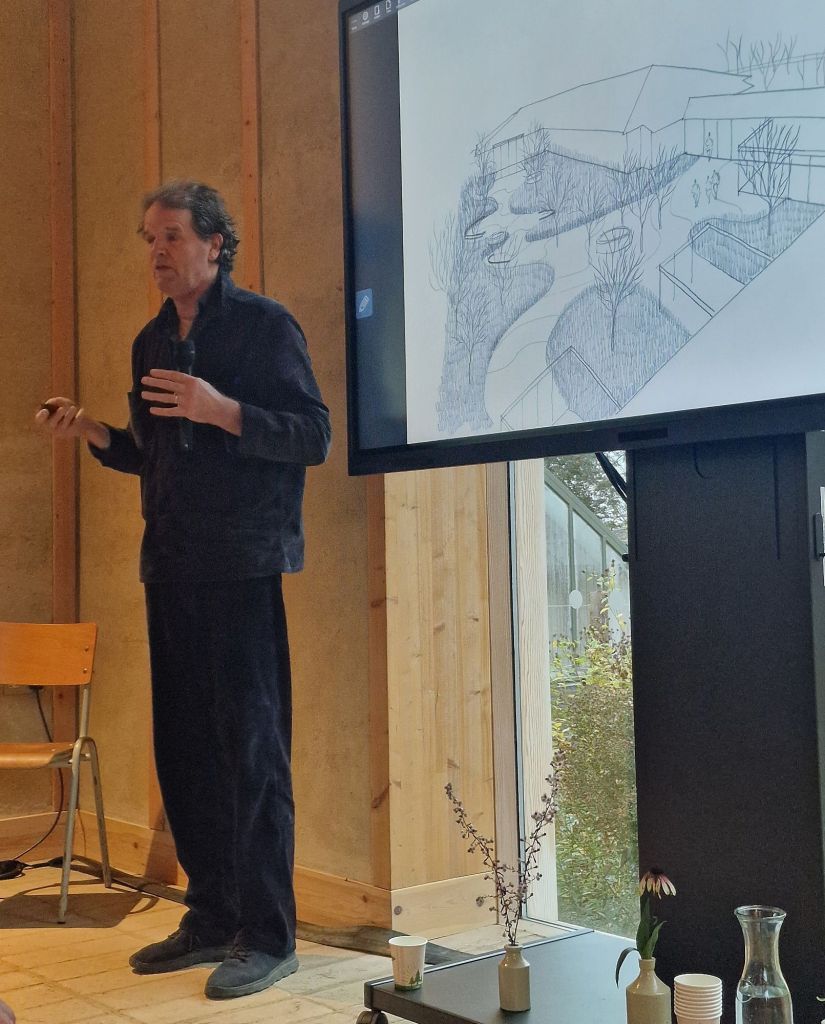
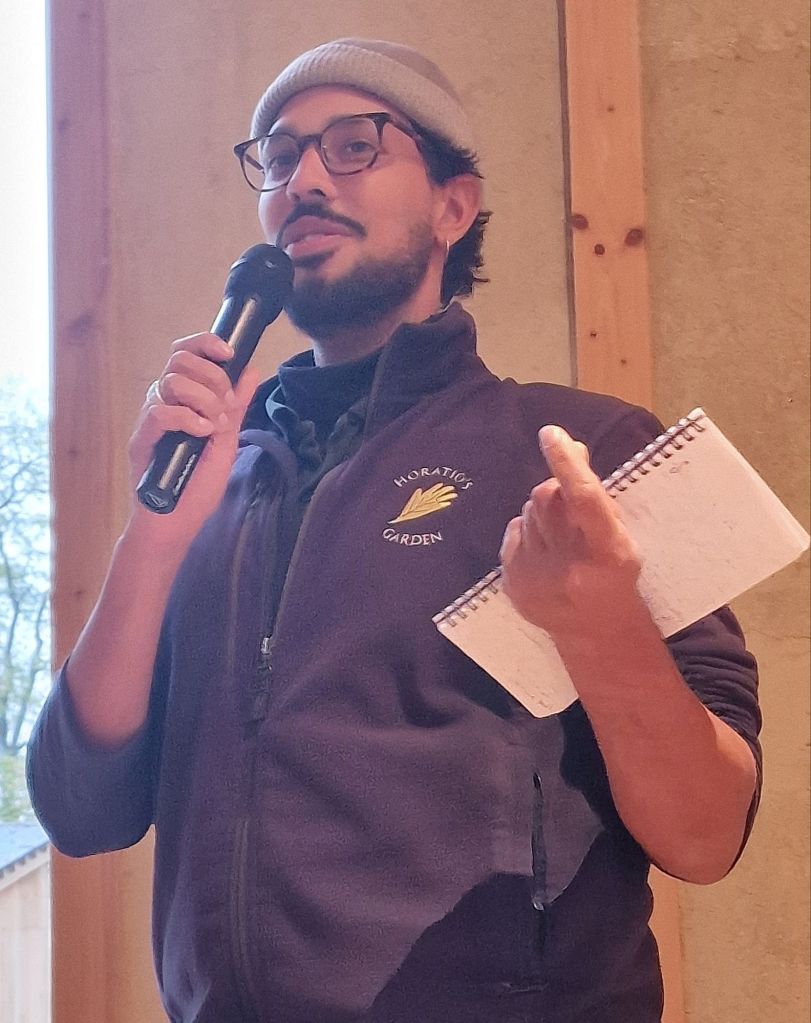
Tom Stuart-Smith described the challenges of designing the Stanmore garden and illustrated the beautiful and functional space it has become, and then head gardener and horticultural therapist Ashley Edwards explained the many ways the space is used, and the phenomenal impact it can have.
Horatio’s Garden is not just about the gardens. It’s shone a spotlight on just how dehumanising our healthcare system – both in terms of its space and its processes – can become. The gardens in many different ways are showing us a better way forward for holistic healthcare.
Thank you Millie Souter and Derek Hunter for the garden tours, and an especially big thank you to Becky Fincham for masterminding the day for us. It ran without a hitch.
Lastly, thanks to Tom and Sue; the Safe Green Space they’ve created here was the perfect setting for such a brilliant day.
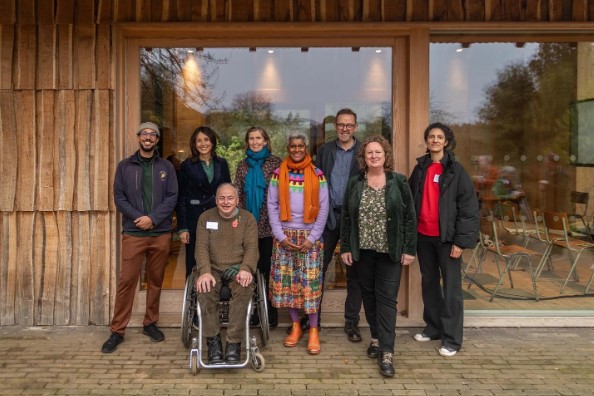
Yesterday was a big day for Gardening4Health: the first in-person meeting of our Board of Trustees.
It was lovely to go back to Tuppenny Barn: venue for our first Green Therapies conference last year. Tuppenny truly is a brilliant model for any therapeutic garden to follow, and Founder and CEO Maggie Haynes showed us round the site, inspiring us with all the extraordinary projects that go on there.
Maggie is one our our six founding trustees, along with Farah Brooks-Johnson, Richard Claxton, Boyd Douglas-Davies, Wendy Fenn and Anne Wagstaff. You can read more about them all, over on the “Our People” page.
Nobody leaves Tuppenny without a full belly, and either side of a delicious lunch we talked through our vision for the coming weeks and months. We’ve got big plans, and there’s lots to be getting on with!
Dr Carly Wood is a Senior Lecturer in Sport and Exercise Science at the University of Essex and Director of the Health, Exercise and Active Lifestyle Research Group there. Her research is focused on how nature-based interventions can be embedded within health systems to ensure access for all. She spoke about this at Tuppenny Barn last year.
As part of her work, she’s produced some useful Infographics designed to be shared with service users (above), health professionals and policy makers/commissioners (below). There’s also a guideline for their use.
Click the link below to catch up with a webinar where all of this is explained, and there’s also a useful short film from an STH provider on the Healing Power of Gardening.
On 11th October we had the good news from the Charities Commission, confirming Gardening4Health as an accredited charity.
This is wonderful news, and will enable us to move forward with our stated aims:
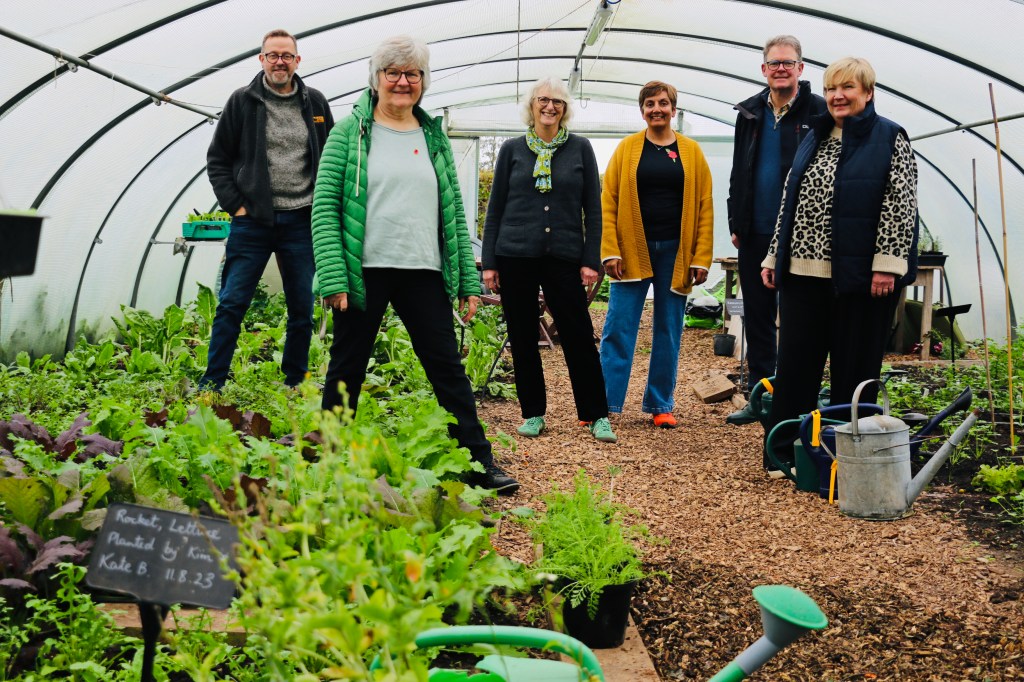
We now have a newly formed Board of six fabulous Trustees to take things forward, they are:
Farah Brooks-Johnson, Richard Claxton, Boyd Douglas-Davies, Wendy Fenn, Maggie Haynes and Anne Wagstaff.
There will, very soon, be a page on this site to tell you more about each of them – and the unique skill-sets and experiences they bring to the charity.
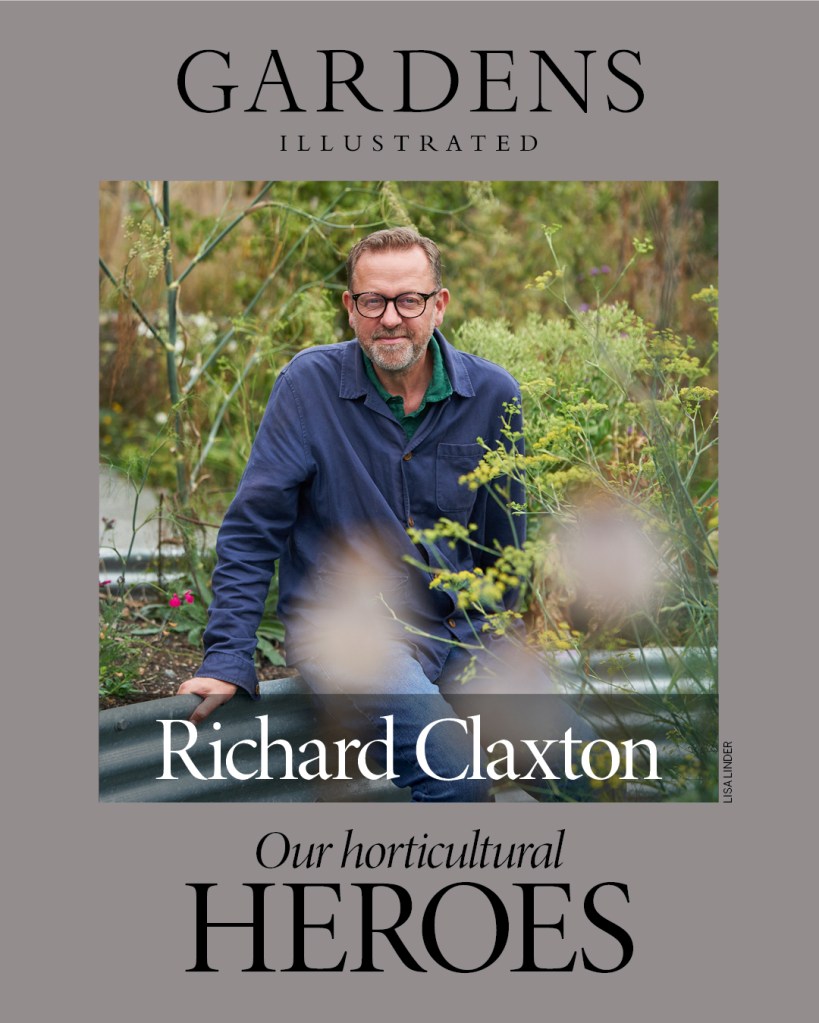
I’m deeply honoured and somewhat amazed to find myself featured in the @gardens_illustrated list of Horticultural Heroes for 2024. Indeed, I’m all the more incredulous when I see who else they’ve chosen – I’m in extraordinarily good company!
“Gardens Illustrated’s top 20 horticultural heroes 2024 is a list of extraordinary garden champions who are making a difference to places, people, plants, and the planet.”
Gardening is, for me, the ultimate in holistic healthcare interventions. It’s been such a massive help to me personally over the years, as well as to my patients.
I hope being included on this list helps raise the profile of gardening as a means to better physical and mental health for us all, as well as for the benefit of the world and it’s fragile ecosystems: upon which we all depend.
Whether I’m working as a GP, for Greenfingers charity, Project Giving Back, or on behalf of @gardening4health – I’ll happily share this message to anyone who will listen, and in time, we can together make Social and Therapeutic Horticulture as widely available as possible.
To this end, I’m also delighted to become a contributor to the magazine – exploring these issues in a series of articles over the coming months – the first of which is published in the October edition. Thank you, Gardens Illustrated, for highlighting so many of the wonderful ways Horticulture can make a difference!
I’m deeply honoured and somewhat amazed to find myself featured in the @gardens_illustrated list of Horticultural Heroes for 2024. Indeed, I’m all the more incredulous when I see who else they’ve chosen – I’m in extraordinarily good company! “Gardens Illustrated’s top 20 horticultural heroes 2024 is a list of extraordinary garden champions who are making a difference to places, people, plants, and the planet.” Gardening is, for me, the ultimate in holistic healthcare interventions. It’s been such a massive help to me personally over the years, as well as to my patients. I hope being included on this list helps raise the profile of gardening as a means to better physical and mental health for us all, as well as for the benefit of the world and it’s fragile ecosystems: upon which we all depend. Whether I’m working as a GP, for Greenfingers charity, Project Giving Back, or on behalf of @gardening4health – I’ll happily share this message to anyone who will listen, and in time, we can together make Social and Therapeutic Horticulture as widely available as possible.
To this end, I’m also delighted to become a contributor to the magazine – exploring these issues in a series of articles over the coming months – the first of which is published in the October edition.
Thank you, Gardens Illustrated, for highlighting so many of the wonderful ways Horticulture can make a difference!
My head’s still spinning from the WIMIN (Women in Medicine) conference in Cambridge last week.
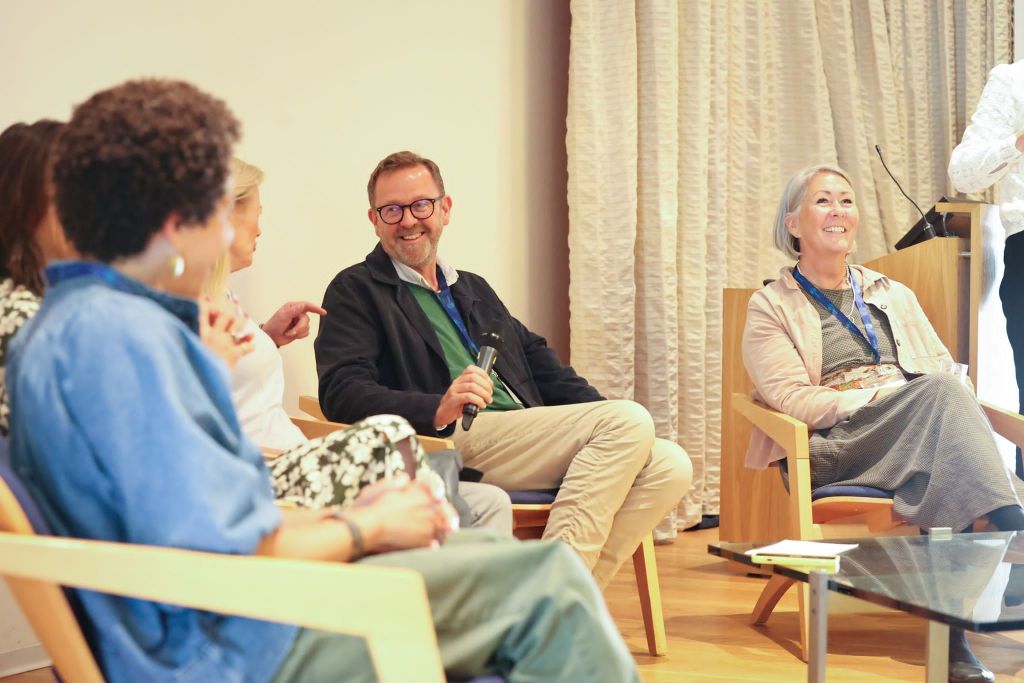
It was the third annual conference for WIMIN and it was such an honour to be asked to speak about the health benefits of gardening and nature – and to join a panel, sitting alongside an awesome quartet – Marian Boswall, Olivia Chapple, Bunny Guinness and Marchelle Farrell. It was a great opportunity to spread the word about Vitamin G, especially with so many different medical specialties represented in the auditorium.
How fitting that this inspiring event was held at the all-female Murray Edwards College – formerly known as New Hall, celebrating its 70th birthday since it was founded – to create more space for women at Cambridge.
The gardens are the perfect sanctuary. The modern architecture and concrete of the college sits comfortably in its surround of soft planting. I gather that the garden team work with students as part of the college’s focus on their wellbeing. Moreover, students are encouraged to walk on the grass and pick flowers and herbs to use in their own rooms and their cooking.
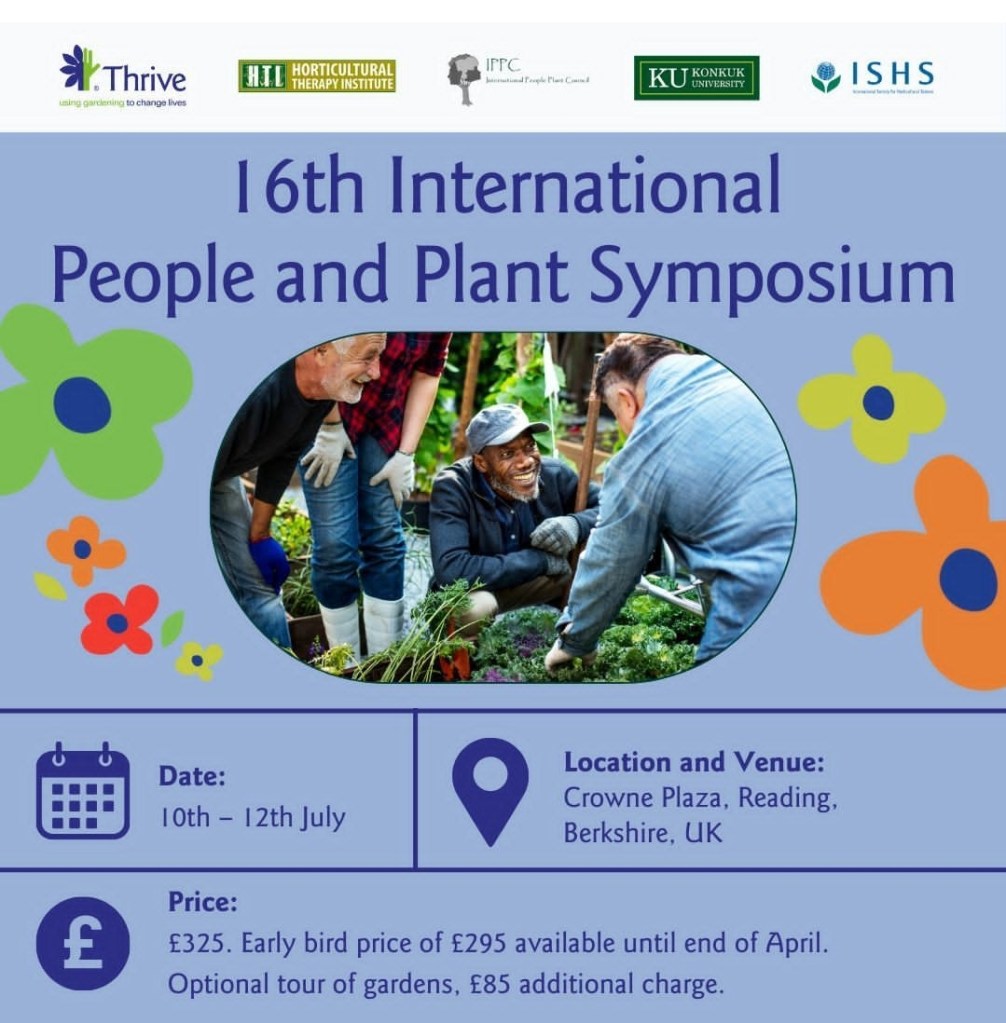
The 16th International People Plant Symposium takes place in Reading, UK from 10th to 12th July 2024.
Intended for anyone with an interest in horticulture for health; social and therapeutic horticulturists, the green care sector, medical professionals, academics and researchers.
This year will feature keynote addresses by a stellar line-up, including Sam Alford, Rachel Bragg, Olivia Chapple, Anna Baker Creswell, and Sue Stuart Smith.
There will be opportunities to engage with a diverse range of perspectives on horticulture’s role in promoting health and well-being, both locally and globally.
There also will be an opportunity to join a local tour of local gardens for health and well-being
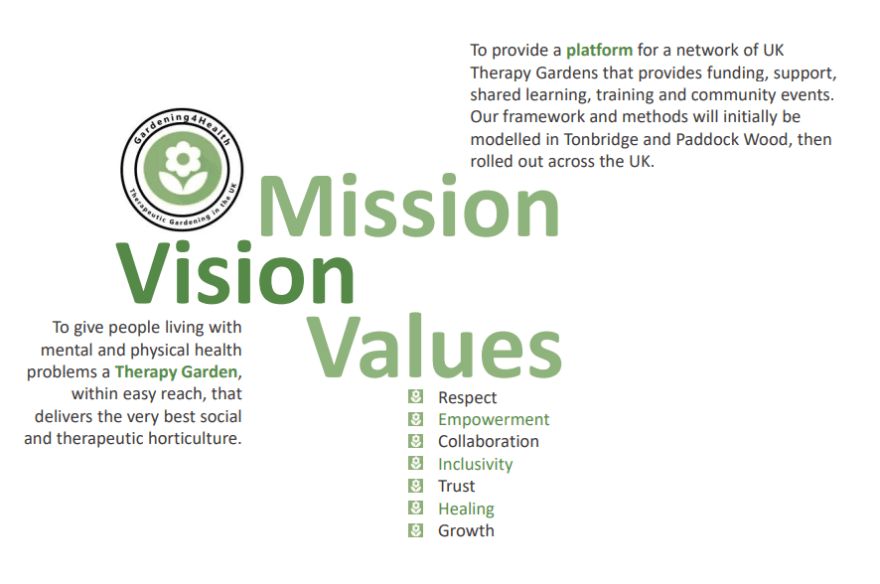
We’re in the process of applying to become a charity. Charity status will allow us to act as a conduit for funding for Garden Therapy Projects – applying for and allocating funds to help Garden Projects within the Directory operate in a more sustainable way.
It will also allow development of a network of Green Therapy providers in the UK – building on the foundations laid in the Gardening4Health Directory. This network will facilitate connection between providers, education, and sharing knowledge and experience – through newsletters and conferences – such as those held at Tuppenny Barn in 2023.
Have you personally benefitted from social prescribing? Or do you simply believe in the power of nature to boost your mood? Send a free postcard to your GP today so they know nature helps people!
There are 4 postcards you can choose from. Once you have chosen your favourite write your personal message and we’ll help you find the address it will be posted to.
Why send a postcard?
More and more doctors, physios and occupational therapists are starting to recommend activities with nature and spending time outdoors. This is called ‘social prescribing’ which is all about connecting people to local groups, activities, and services and other sources of support that can help them feel better. Social prescribing is having a positive impact on health and well-being, and is even starting to free-up GP’s time as people find they need to make appointments less often.
It’s important that all health professionals understand the impact of nature on our lives. But they’re busy people who rarely get to hear from patients when they are feeling well. Here’s a chance to change that!
The Wildlife Trusts have organised a send a postcard to your GP campaign. It’s very easy and can be donw via their website directly.


 Gardening4Health